Archives
- 2026-10
- 2026-09
- 2026-08
- 2026-07
- 2026-06
- 2026-05
- 2026-04
- 2026-03
- 2026-02
- 2026-01
- 2025-12
- 2025-11
- 2025-10
- 2025-09
- 2025-03
- 2025-02
- 2025-01
- 2024-12
- 2024-11
- 2024-10
- 2024-09
- 2024-08
- 2024-07
- 2024-06
- 2024-05
- 2024-04
- 2024-03
- 2024-02
- 2024-01
- 2023-12
- 2023-11
- 2023-10
- 2023-09
- 2023-08
- 2023-06
- 2023-05
- 2023-04
- 2023-03
- 2023-02
- 2023-01
- 2022-12
- 2022-11
- 2022-10
- 2022-09
- 2022-08
- 2022-07
- 2022-06
- 2022-05
- 2022-04
- 2022-03
- 2022-02
- 2022-01
-
Endothelial cells receive a variety of
2022-03-21
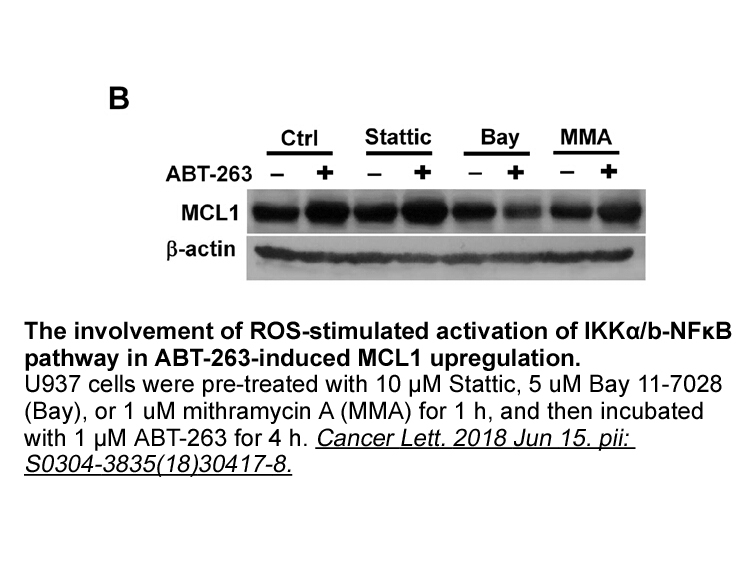
Endothelial cells receive a variety of information from the environment which finally guides them through all phases of neovascularization. Angiogenic signals enhance the proliferation of endothelial cells, upregulated resistance to apoptosis, alterations within proteolytic balance, reorganization o
-
Earlier we have showed that tumor associated sFas
2022-03-18
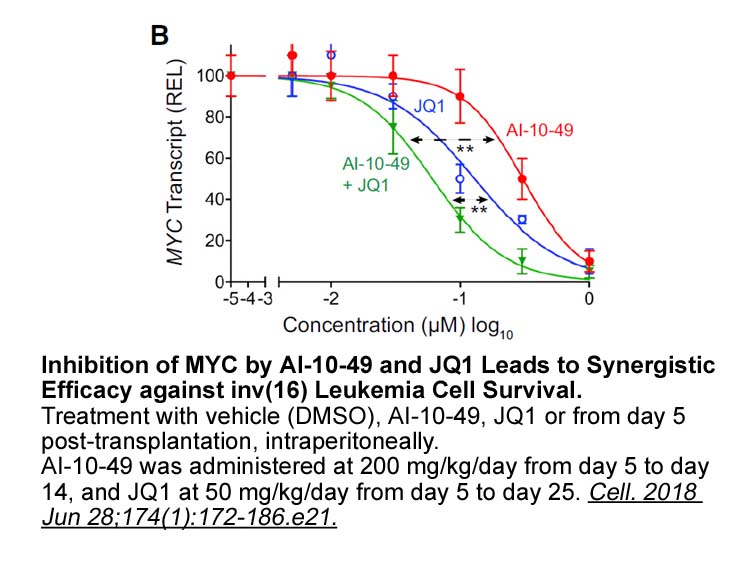
Earlier we have showed that tumor associated sFas mRNA isoform profile and splicing factors expression levels in solid tumors do not correspond to profiles that are observed in cell lines [45]. In the present study, for the first time we show that Fas but not Rac1 pre-mRNA's alternative splicing is
-
This SAR work led to
2022-03-18
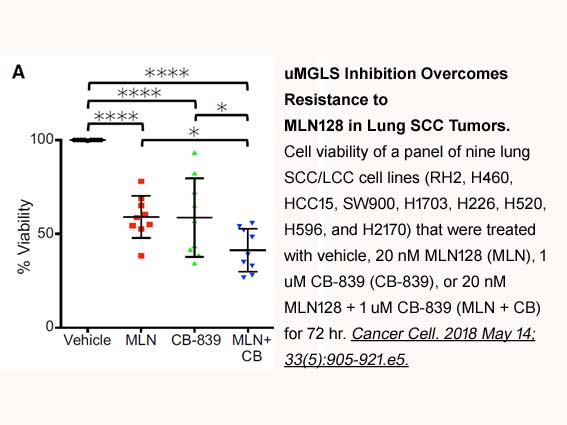
This SAR work led to the identification of compound 10r ((±)-2-[3-fluoro-4-[3-(hexylcarbamoyloxy)phenyl]phenyl]propanoic acid, ARN2508) [51] as a potent in vivo active inhibitor of intracellular FAAH and COX activities, which exerts profound anti-inflammatory effects in mouse models of IBD without c
-
Since stroke and cerebrovascular diseases were considered
2022-03-18
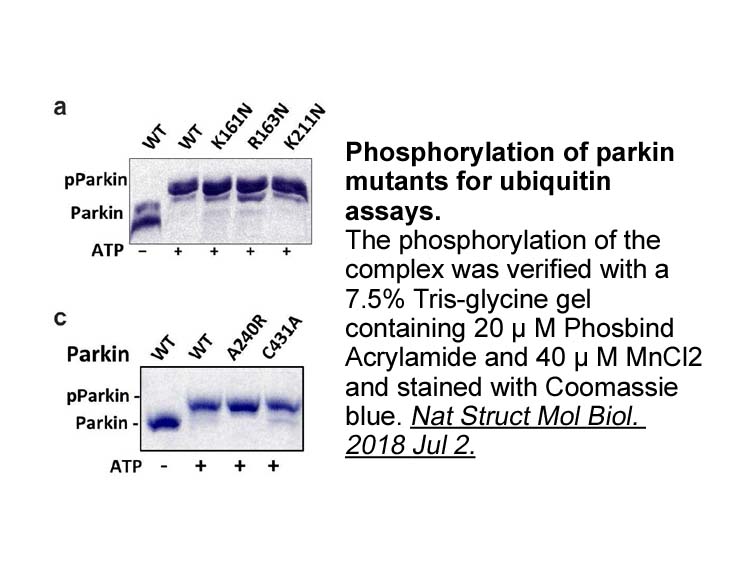
Since stroke and cerebrovascular diseases were considered serious AEs following vaccination, we performed manual chart review to confirm the diagnosis and symptom onset date for all stroke and cerebrovascular disease cases identified by ICD-9 codes. Chart review of 131 presumptive cases confirmed 82
-
Two US FDA approved assays are
2022-03-18
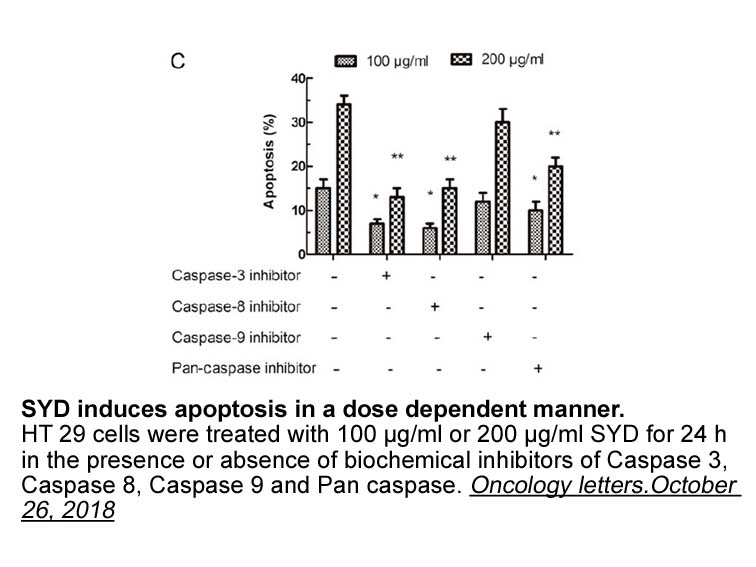
Two US FDA-approved assays are commonly used for VL monitoring: the COBAS AmpliPrep/COBAS® Taqman® HIV-1 version 2.0 (“CAP/CTM HIV-1 v2”; Roche Molecular Systems) [18], and the RealTime HIV-1 assay (“RealTime HIV-1”, Abbott Molecular) [19]. Several studies have shown good correlation between the ass
-
Fig C presents the secondary structure
2022-03-18
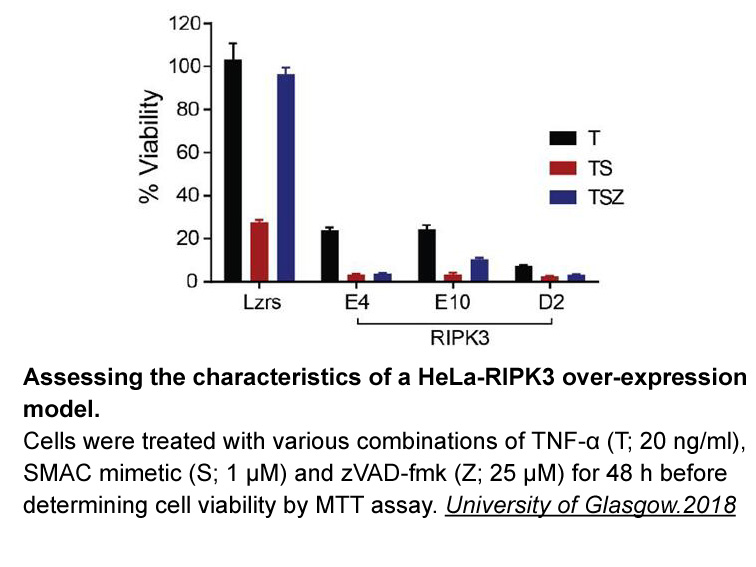
Fig. 1(C) presents the secondary structure arrangement of the PAS-A and PAS-B domains in both HIF-2α and ARNT. The common scaffold of the PAS domains is a β sheet with numerous flanking α helixes. The PAS-A domains of both HIF-2α and ARNT have A’α, Aβ, Bβ, Cα, Dα, Eα, Fα, Gβ, Hβ, and Iβ from the N t
-
Apigenin trihydroxyflavone a natural plant flavone is a
2022-03-18
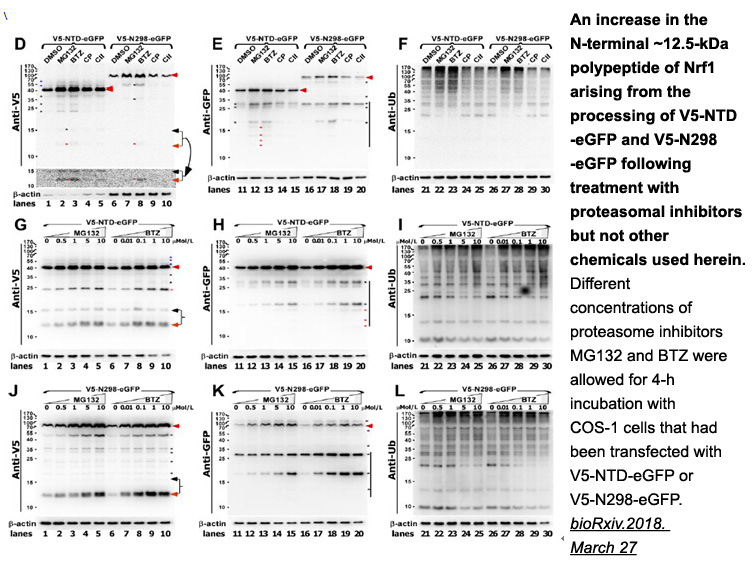
Apigenin (4′, 5, 7-trihydroxyflavone), a natural plant flavone, is a bioactive compound present in a variety of fruits, vegetables, and medicinal plants, and its various beneficial biological activities have been reviewed (Zhou et al., 2017), including HIF-1α inhibition-mediated anti-tumor. Recently
-
The relaxant response to carperitide was influenced neither
2022-03-18
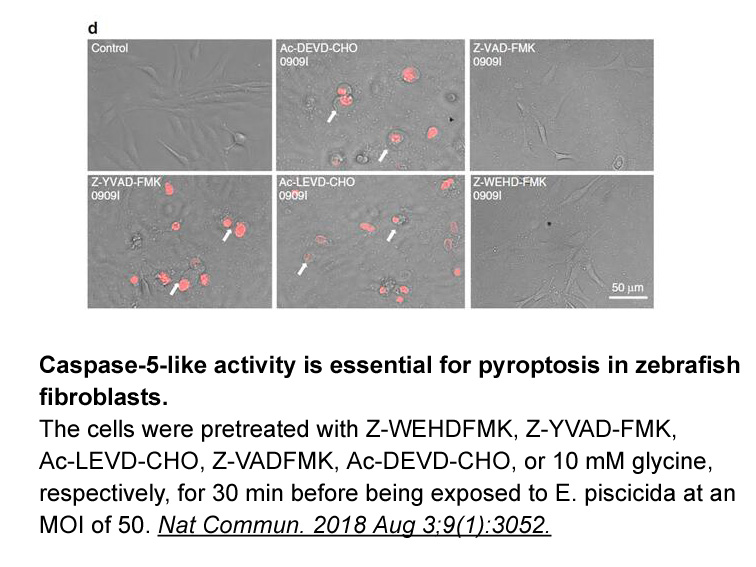
The relaxant response to carperitide was influenced neither by the removal of the endothelium nor by treatment with the nitric oxide synthase inhibitor or nitric oxide scavenger. This result was to be expected as previous studies showing that the vasodilator action of atrial natriuretic peptide is
-
Studies with GSNOR knockout mice reported decreased CD
2022-03-18

Studies with GSNOR knockout mice reported decreased CD4+ bms 5 45 synthesis and increased CD19+ cells (B-cell) in the blood [31] as well as demyelination, neurodegeneration, and neuropathic pain [29]. To understand the basis of these differences in immune function of GSNOR knockout mice and GSNO tre
-
WIKI4 mg To apply the recently developed GPR ligands
2022-03-18
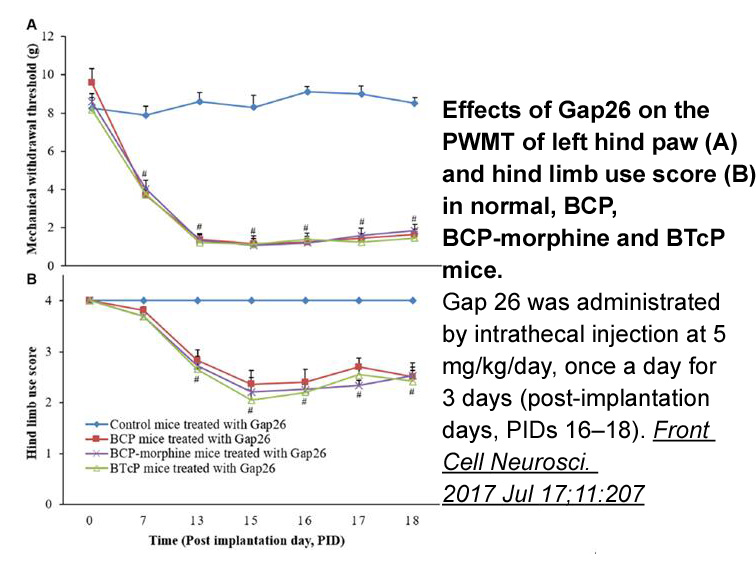
To apply the recently developed GPR35 ligands to CNS disorders, it is necessary to understand whether GPR35 is expressed by any identified cell types in the WIKI4 mg and whether activation or blockade of this receptor has any consequence on the activity of the neuronal circuitry. To this end, the p
-
br Discovery of GPR A The murine niacin receptor protein
2022-03-18

Discovery of GPR109A The murine niacin receptor, protein upregulated in macrophages by interferon-γ (PUMA-G), was identified as a G-protein-coupled receptor (GPCR) expressed in adipocytes and spleen [22], [23]. This finding suggested a role of this receptor in macrophage function [24]. In 2003, t
-
br Introduction The third variable V loop of the
2022-03-18

Introduction The third variable (V3) loop of the gp120 envelope glycoprotein (Env) on the surface of human immunodeficiency virus type 1 (HIV-1) becomes exposed after the virus binds CD4, the initial receptor; the V3 loop plays an important role in contacting the coreceptor CCR5 or CXCR4 to media
-
Indeed it was shown further in VSV G
2022-03-18
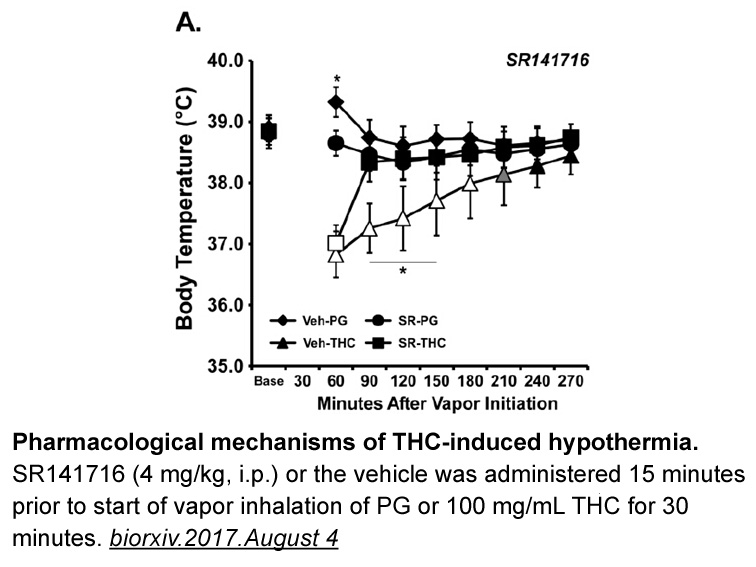
Indeed, it was shown further in VSV G that the H80A mutation, and the E123L and D121L double mutation, which both abolish VSV G fusion properties, were rescued by the same compensatory Q112P mutation. In a single FD, residue 112 is located on the opposite side of the three-stranded β-sheet and is fa
-
During pain signal transmission glutamate is released into t
2022-03-18
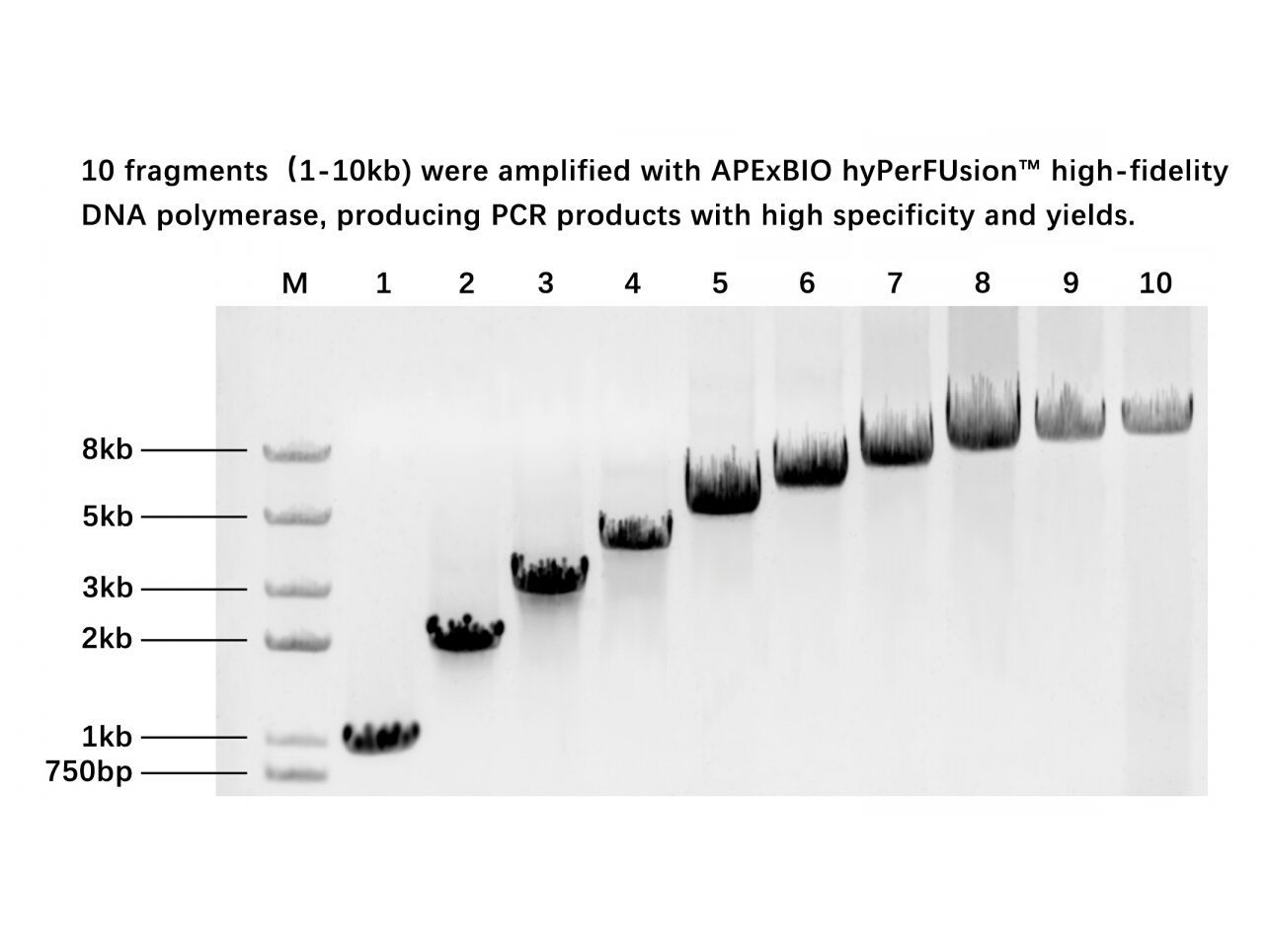
During pain signal transmission, glutamate is released into the synaptic cleft, which, in turn, causes activation of N-methyl-d-aspartate (NMDA) receptors and hence neurotransmission across the synapse occurs. The synaptic concentration and resultant activity of glutamate are controlled by excitator
-
Polyunsaturated fatty acids PUFAs represent a class of lipid
2022-03-18
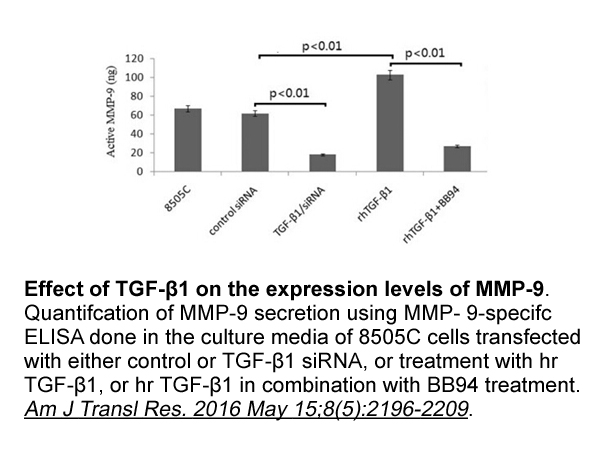
Polyunsaturated fatty acids (PUFAs) represent a class of lipids that contain two or more carbon double (unsaturated) bonds (CC) and classified as n-3, n-6 and n-9 fatty acids. PUFAs including n-3 such as docosahexaenoic 350 (DHA), eicosapentaenoic acid (EPA) and n-6 such as arachidonic acid (AA) are
7981 records 489/533 page Previous Next First page 上5页 486487488489490 下5页 Last page