Archives
- 2026-11
- 2026-10
- 2026-09
- 2026-08
- 2026-07
- 2026-06
- 2026-05
- 2026-04
- 2026-03
- 2026-02
- 2026-01
- 2025-12
- 2025-11
- 2025-10
- 2025-09
- 2025-03
- 2025-02
- 2025-01
- 2024-12
- 2024-11
- 2024-10
- 2024-09
- 2024-08
- 2024-07
- 2024-06
- 2024-05
- 2024-04
- 2024-03
- 2024-02
- 2024-01
- 2023-12
- 2023-11
- 2023-10
- 2023-09
- 2023-08
- 2023-06
- 2023-05
- 2023-04
- 2023-03
- 2023-02
- 2023-01
- 2022-12
- 2022-11
- 2022-10
- 2022-09
- 2022-08
- 2022-07
- 2022-06
- 2022-05
- 2022-04
- 2022-03
- 2022-02
- 2022-01
Curcumin is the principal natural polyphenol curcuminoid of
2023-06-16
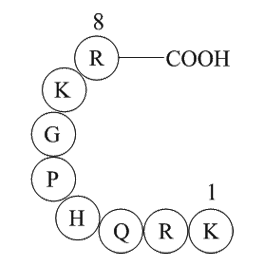
Curcumin is the principal natural polyphenol curcuminoid of turmeric (Curcuma longa) rhizome, a member of the ginger family (Zingiberaceae) [13]. Curcumin has a wide spectrum of therapeutic properties, and it has been shown to possess antioxidant, anti-inflammatory, anticancer, antiangiogenesis, che
Optimization of the B ring specifically targeted preventing
2023-06-13
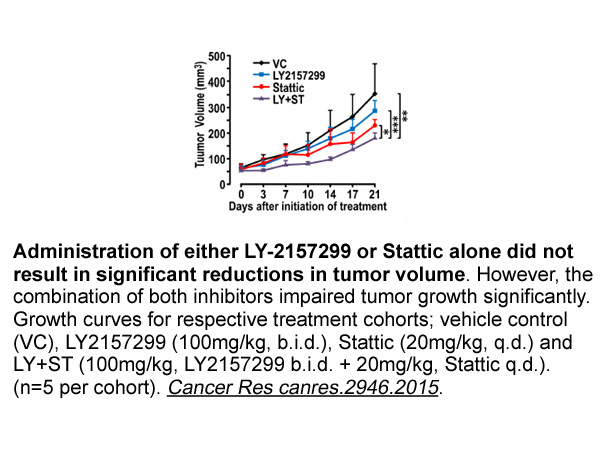
Optimization of the B-ring specifically targeted preventing the oxidation of the ring system (). As described above, the 4-position of the phenyl ring provides the appropriate vector towards bulk solvent. - and -linked substitutions at the 4-position of the B-ring from the 4-fluoro-nitrophenyl inte
To confirm a role of OCT in corticosterone
2023-06-02

To confirm a role of OCT3 in corticosterone-induced potentiation of cocaine-primed reinstatement, we examined the interaction of corticosterone and cocaine in the reinstatement of cocaine conditioned place preference (CPP) in wild type mice, and transgenic OCT3-deficient mice. These mice express a t
NOXA a member of the pro apoptotic B
2023-05-30
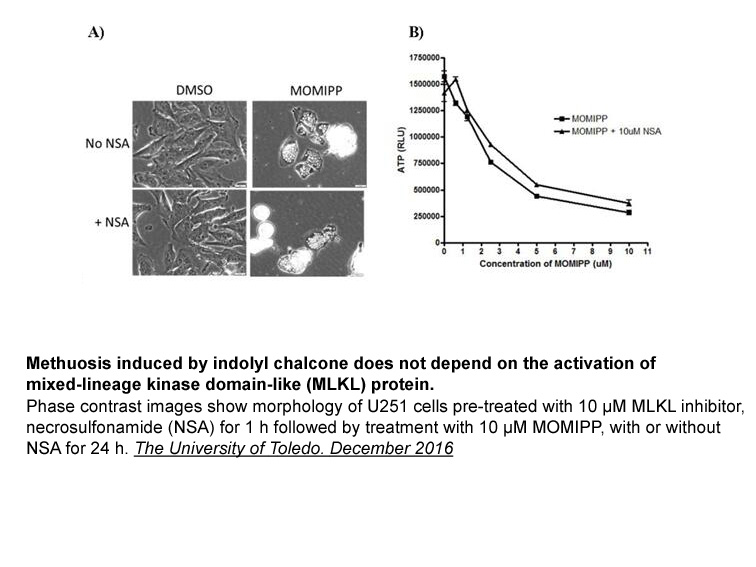
NOXA, a member of the pro-apoptotic B-cell lymphoma 2 (BCL-2) family, plays a vital role in regulating mitochondrial or inherent apoptotic pathways [7,8]. NOXA binds to MCL-1 with high affinity and interacts with A1 (known as BCL2A1), resulting in BIM release to trigger subsequent apoptosis [9]. In
The neural circuitry involved in the
2023-05-30

The neural circuitry involved in the production of the EOD, its modulations, and in the sensory processing of communication signals has been well characterized (Bell and Maler, 2005; Chacron et al., 2011; Krahe and Maler, 2014; reviewed in Metzner, 1999). Pacemaker cells located in the pacemaker nuc
br Methods and materials br Results br Discussion GPCR regul
2023-05-29
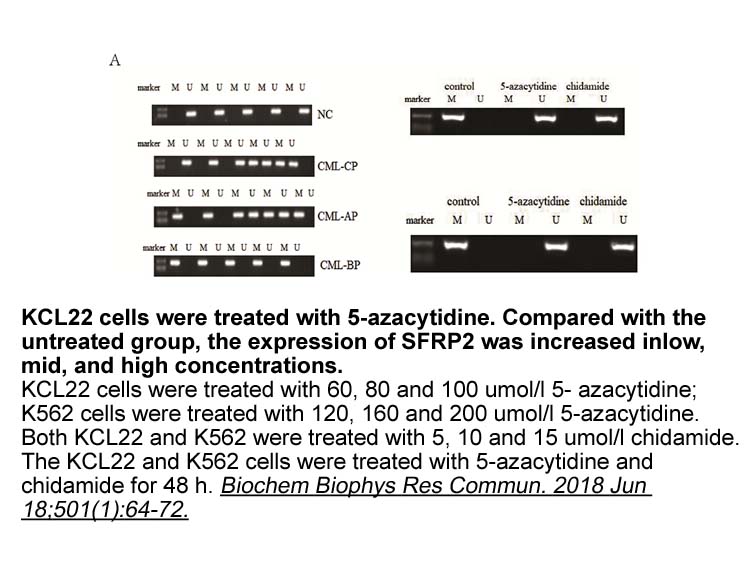
Methods and materials Results Discussion GPCR regulation in response to agonist stimulation is common to nearly all GPCRs and is essential in physiological systems to limit persistent signalling. In this study we have investigated the [Pyr1]apelin-13-induced trafficking and desensitization
br Genetic analysis of polarity complexes Model
2023-05-29
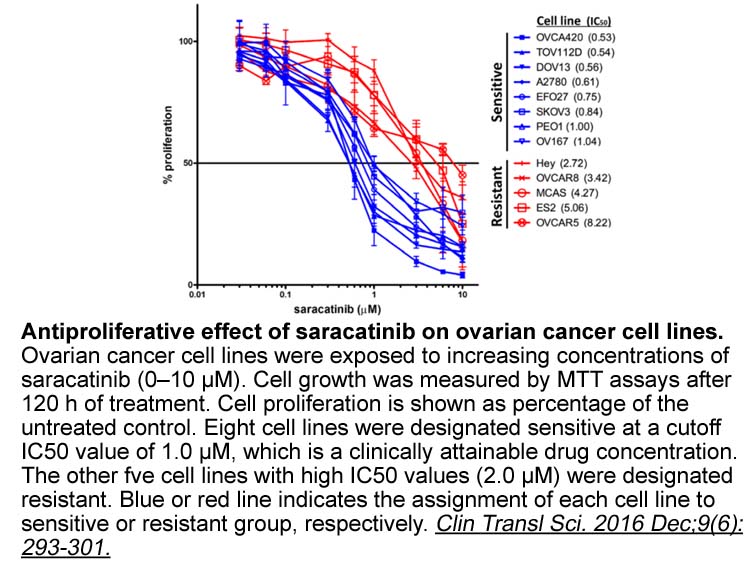
Genetic analysis of polarity complexes Model organisms such as Caenorhabditis elegans and Drosophila melanogaster provide useful means of describing basic biological processes. They lend themselves particularly well to addressing some of the questions arising in this field because of their struct
Detailed analysis of the dose dependence
2023-05-29
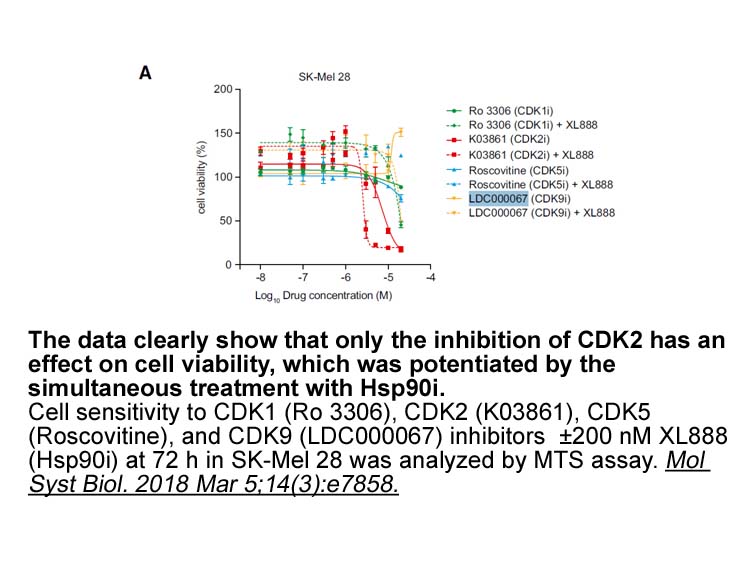
Detailed analysis of the dose dependence of Aβ effects revealed that at low amounts, Aβ can also act as a positive regulator of presynaptic activity, enhancing the neurotransmitter release probability and increasing the neuronal excitability [2]. The facilitator effects of low Aβ dose on excitatory
Whereas allostery in the cell
2023-05-29
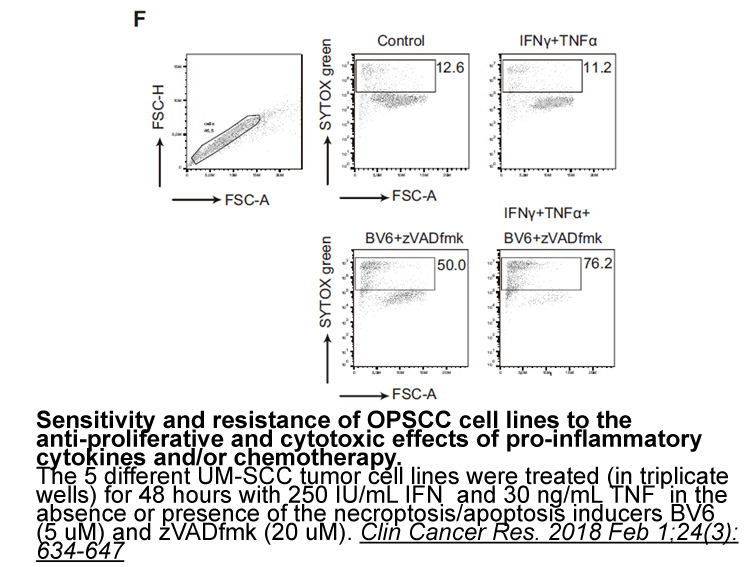
Whereas allostery in the β cell is relatively understudied, significant progress has been made in understanding the physiology and mechanistic biology of how AMPK and its upstream kinases govern β cell function. LKB1 phosphorylates AMPKα at Thr172 [21], and loss of LKB1 in β cells abolishes phosphor
At the top of the S subsite cylinder are two
2023-05-29
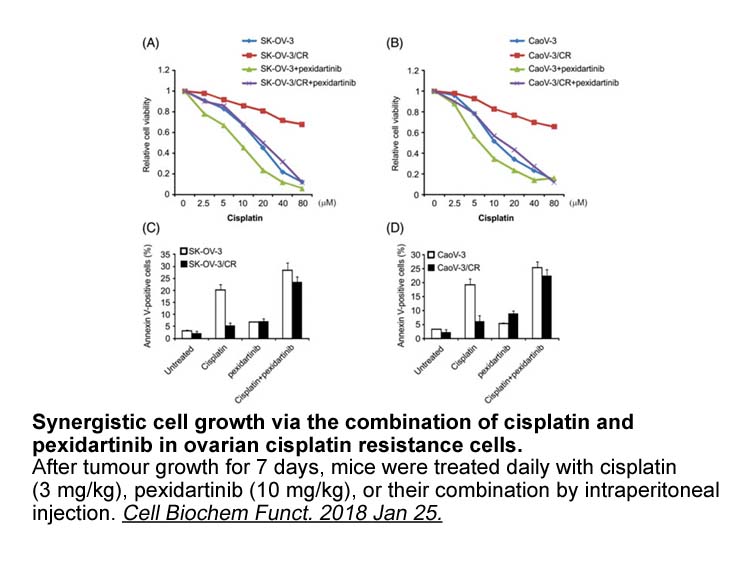
At the top of the S1 subsite cylinder are two “cap” residues: E572 and M1034 [13]. Atomic structures of PfA-M1 have revealed important clues into potential roles for the cap residues in substrate selection. In the PfA-M1:bestatin co-crystal structure ([13]; Fig. 1), the P1 phenyl ring occupies the S
br Disclosure br Acknowledgments br Introduction Anaplastic
2023-05-29
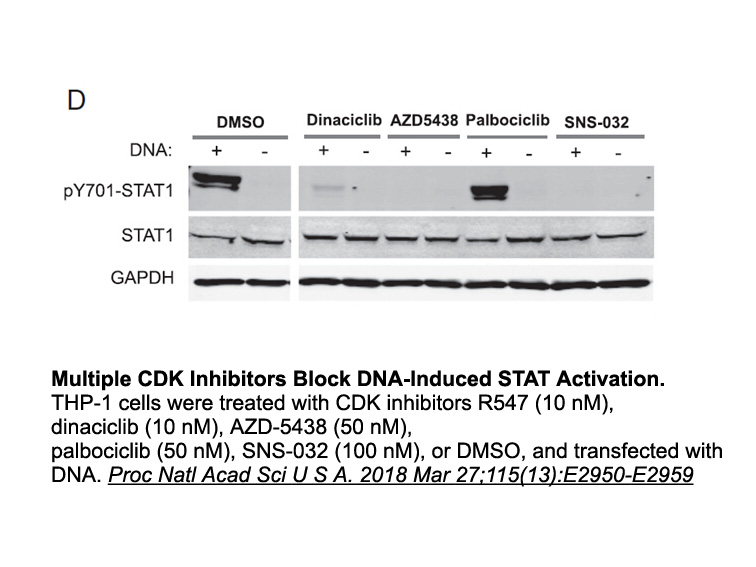
Disclosure Acknowledgments Introduction Anaplastic lymphoma kinase (ALK), a receptor tyrosine kinase, belongs to the insulin receptor kinase subfamily [1]. Oncogenic activation of ALK is associated with the plk inhibitor and progression of multiple human cancer types [2,3], including anapla
Cancer stem cells CSCs may have been first
2023-05-29
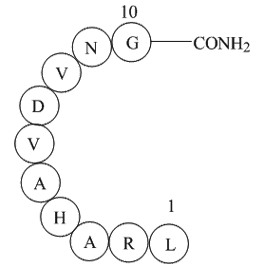
Cancer stem cells (CSCs) may have been first identified in teratocarcinomas [11], [12], with its initial clues date back to the 19th century [13]. Kleinsmith and Pierce [12] established the immortal pluripotent teratocarcinoma lines from a single transplanted multi-potent malignant cell, strongly su
Further examination of these vmat IR cells shows that they
2023-05-29
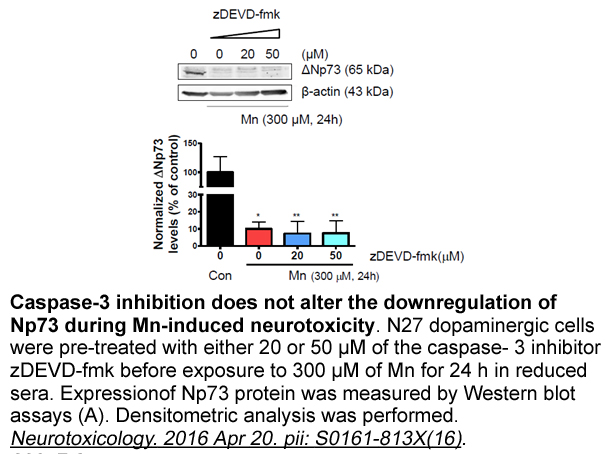
Further examination of these vmat-IR cells shows that they are also positive for vimentin (vim-IR) (Fig. 3A). However, within any one cell there may be a region of weaker vmat-IR, suggesting sub-cellular localization. As also shown in Fig. 3B and C not all vim-IR cells are vmat-IR suggesting that th
The cellular mechanism underlying the CGS
2023-05-29
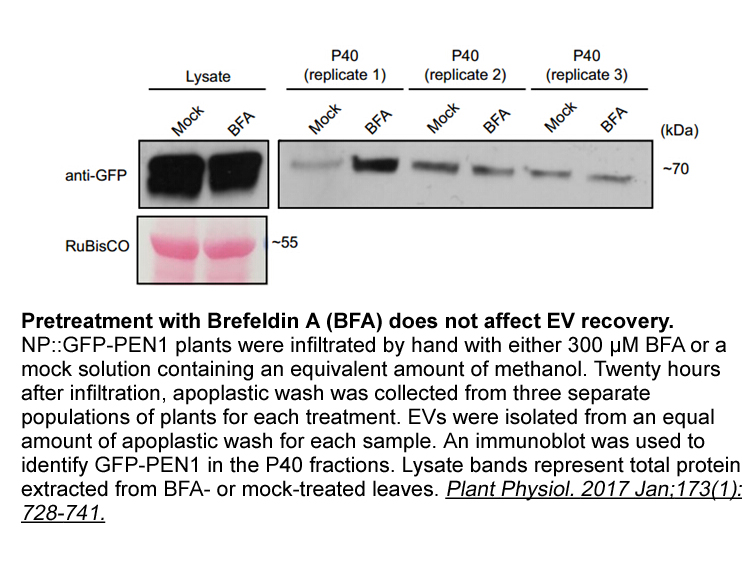
The cellular mechanism underlying the CGS12066-mediated inhibition of glutamate release from hippocampal nerve terminals through presynaptic 5-HT1B receptors remains to be elucidated. 5-HT1B receptors are coupled to PTX-sensitive G proteins (Gi or Go) that have been shown to inhibit AC activity as w
br Expression of autotaxin in cancer Autotaxin
2023-05-29
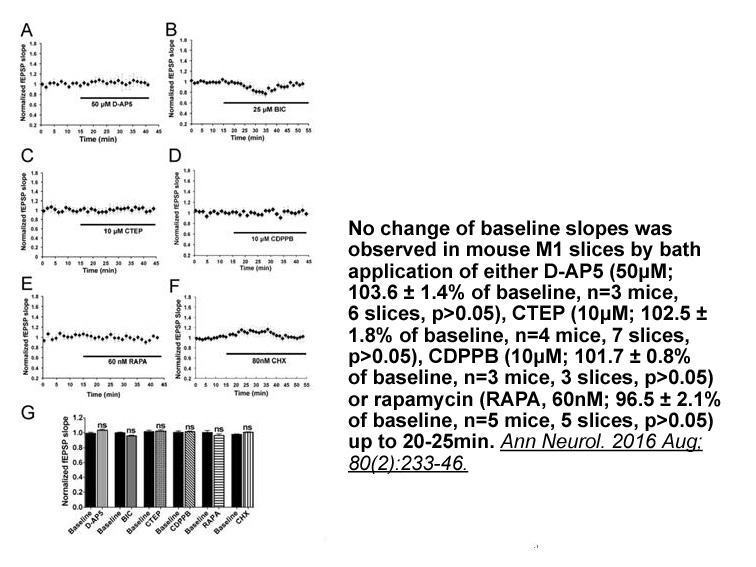
Expression of autotaxin in cancer Autotaxin (ATX) is a member of the family of NPPs (Nucleotides pyrophosphatases phosphodiesterases (NPP) family with a unique lysophospholipase D (lysoPLD) activity, allowing the synthesis of LPA from lysophospholipid precursors such as the lysophosphatidylcholin
8023 records 330/535 page Previous Next First page 上5页 326327328329330 下5页 Last page